When people think of seasonal jobs, summer is usually the time of year that comes to mind, however there are lots of winter seasonal work opportunities. You can find winter seasonal jobs that get you outside playing in the snow all winter long or that keep you cozy and warm while working indoors. Seasonal winter jobs range from entry level positions to jobs with specific skill sets and can be found all across the USA. This guide will walk you through what you need to know about working a winter season, what types of seasonal winter jobs there are, where to find a winter seasonal job, and more.
Table of Contents
Winter Seasonal Work
Seasonal Work
Seasonal work is short-term/temporary employment that usually lasts from 3-6 months.
The Winter Season
The winter season ranges from September/October to March/April. Jobs will start and end anytime between this time frame depending on the opening/closing dates of the seasonal business. Opening and closing dates depend on varying factors such as weather. For example, many ski resorts out west will open in late November because they rely on the snowfall.
Winter Seasonal Work Locations
You can find seasonal work across every state in the USA. There are winter jobs that will let you work outside in the snow, or that will allow you to stay indoors during the winter season. While many states in the USA offer snowy winters, you can find a few seasonal jobs in the southern states or western deserts that will keep you away from the majority of the year’s snowfall.
Winter Hiring Dates
July and August are the prime winter seasonal hiring times. However, some companies may start their hiring process earlier in the summer, especially if they include fall or spring in their winter season, their staff training starts earlier, or they want to get the best candidates before other companies do.
Working the Holidays
The majority of seasonal winter jobs will expect you to work during the holidays. This means you may be working during Halloween, Thanksgiving, Christmas, New Year’s, and/or any other holiday that you celebrate. You can find a job that closes down during certain holidays but this is rare for a full-time winter seasonal job.
Types of Winter Seasonal Jobs
Companies that Hire for the Winter Season
There are all types of companies hiring for a wide range of jobs for their winter season. Do not sell yourself short when it comes to choosing where you want to work. For example, if you do not have the experience needed to be a ski instructor, that does not mean you can not work at a ski resort. Ski resorts hire all types of workers from servers and housekeeping to tickets and parking.
Businesses that Need Seasonal Workers
- Ski resorts
- Working ranches and guest ranches
- Lodges, hotels, and other resorts
- National parks
- Hot springs
- Golfing and hunting clubs
- YMCAs and education institutes
- Bars, restaurants, and gift shops in tourist areas
- Business in Alaska
Winter Job Options
There are many different types of winter seasonal jobs. You can easily find entry level jobs of all kinds that will train you on the spot. There are also some jobs that require a more specific skill set. You can find jobs that keep you out in the snow or allow you to stay inside away from the cold. You can also find short-term jobs that allow you to work only for the holidays.
Outdoor Guide Jobs
- Ski or Snowboard Instructor
- Dog Musher
- Wrangler or Sleigh Driver
- Ice Fishing Guide
- Snowmobile Guide
- Snowshoe Guide
- Glacier or Hiking Guide
Outdoor Jobs
- Lift Attendant, Tubing Attendant, Ski Patrol
- Sled Dog Handler/Care
- Ranch Work or Farm Hand
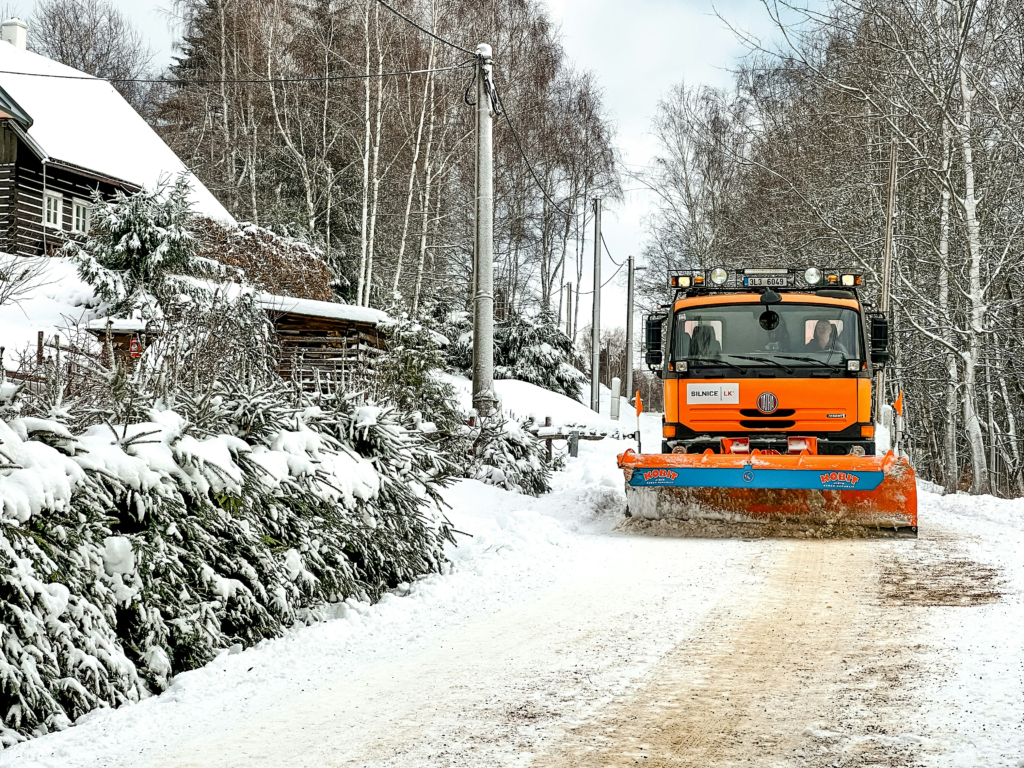
- Snow Removal, Plowing, Trail Groomer
- Park Ranger or Park Attendant
- Ice Castle Builder
- Maintenance and Equipment Operator
Indoor Jobs
- Transportation: Bus Driver, Transit Operator, Shuttle Driver, Valet
- Hospitality: Housekeeping, Front Desk, Reservations, Retail, Spa Attendant, Sales, Night Auditor, Clerk
- Retail: Rentals, Gift Shop, Ticket Sales, Cashier
- Food & Beverage: Server, Bartender, Host, Busser, Line Cook, Chef, Barista, Dishwasher, Baker
- Events: Catering, Activity Coordinating, Set-Up
- Childcare: Youth Programs, Ski School, Daycare, Winter Camp Counselor
- Other: Lifeguard
Short-Term Holiday Contracts
- Christmas Tree Sales/Farming
- Holiday Light Installer
- Holiday Event Set-Up
- Holiday Festival Workers
- Santa’s Helpers
- Gift Wrapping
How to Find a Winter Seasonal Job
Seasonal Work Websites
I highly recommend using CoolWorks. This is a seasonal job search website that has the most up to date seasonal jobs. You can also use one of these 19 websites to find seasonal jobs.
These websites are made to advertise seasonal work, which makes it easy to find job openings looking for staff to work the winter season. A lot of jobs will offer seasonal work contracts that include housing.
General Job Search Websites
Indeed or Monster are two examples of job websites where you can also find short-term seasonal positions. However, you may need to comb through many jobs to find ones only looking to hire for the short-term winter season. You will also find more “general” seasonal jobs on these sites such as retail positions that do not provide housing.
Search with Google
You can find these businesses via google by typing in keywords such as; seasonal winter business, seasonal winter job openings, winter seasonal positions hiring now, ski resort job openings, winter resort job openings, etc… Or, you can decide on the type of job you want and search with keywords such as; ski resort instructor job openings, winter ranch job openings, server position needed in national park, etc…
Ask Around
In the seasonal work industry, it is common for people to find out about jobs via word of mouth. If you are already working a seasonal job, talk to other staff members and find out what they have done or are doing during the winter season. If you work for a company that only runs in the summer, see if they know other businesses currently looking for help, companies they hire their winter staff from, or have any suggestions.
If you have not yet gotten started in seasonal work, ask around at your current job, talk to your friends, or inquire with your neighbors. It’s highly probable that they “know a guy” who is looking for winter help on his farm or are related to someone that needs a short-term position filled for the upcoming season. If not, they may be able to give you some ideas on where to look based off of their work history.
How to Apply for a Winter Seasonal Job
The Application Process
Applying for a seasonal job is just like applying for a “regular” job. Each job/company will have their own way for you to apply. Usually this means either submitting your resume or filling out an application via their website. Once you submit the necessary materials, that company will get in contact with you. If you make it to the next step in the process, you will probably have one or two phone/virtual interviews.
Apply to Multiple Jobs
You should be applying to multiple jobs. If you want to be a snowboard instructor, then apply to multiple ski resorts. If you want to work in a specific national park, then apply to multiple jobs around the area. Many people are applying for the same job and not every company will let you know that you were not chosen for an interview. Applying to more jobs means you have a higher chance of getting a job.
When to Apply
Seasonal businesses usually begin hiring for the winter in July/August, but can start a bit earlier or later. With any job it is best to apply early, especially if you want a job that is seen as more active or fun, such as a guide job, as these tend to fill up faster than most jobs.
Applying Late
Seasonal work has high turnover rates for many reasons; people learn seasonal work is not for them, they decide to accept a more permanent offer, housing isn’t to their liking, they get fired, etc… This means jobs open up all the time during the season. So, if the job you want is not currently hiring, keep an eye out throughout the season or send an email letting them know you’re interested if a position opens up.
Adjusting Your Resume
Like with any job, make sure your resume highlights the skills and experience you need for the job you are applying for. For example, if you are applying for a hospitality job, make sure your resume notes your experience working with guests, communicating with others, working in a team, multi-tasking, etc… If you are applying for a guide job, include your experience teaching, working with groups, risk management skills, etc…
Do not worry if your resume does not match the job perfectly. Since most seasonal companies hire new workers each season, they are used to providing on the job training for new staff. What they really want to see is your personality, hospitality skills, and that you would be a good fit for their team.
Cold Calling
A cold call is when you call a business to inquire about a job that you have not applied for or to see if they are hiring. If you do cold call, nine out of ten times they will refer you to their website to fill out an application.
Many people still cold call and I have been on the receiving end of many of these calls and have watched several hiring managers become frustrated over these calls. If you do this, please be professional! Be ready to introduce yourself, explain the reason for the call, and ask how you can get in touch with the hiring team.
Cold calls can work if there is no one else in line for the job, but remember that the people who are doing the hiring probably already have a list of applicants who did follow the directions that the hiring team provided on their website.
The Interview Process
Most likely the seasonal job you are applying for will be at least a few hours away, if not in a different state all together. Thus, you will most likely have a phone call first and then a second interview via zoom or google meet.
Just like any other job, you should be prepared for the interview. Dress and act professional, be ready to speak about your work experience and your skill set, and come with questions as it relates to the job and the company.
During your interview, the person looking to hire is trying to figure out your personality. A lot of seasonal jobs are hospitality related and they want to know you have people skills. They are assessing your ability to communicate and interact with others to figure out if you would be good for their guests/clients and get on with the other staff.
The Next Steps
After your interview, your interviewer should follow up with an email letting you know the next steps or if you got the position you applied for. It also helps if you send an email letting them know that you enjoyed meeting with them and inquire about the next step in the interview process.
Following Up
If you do not hear back from them in two weeks be sure to reach out to follow up. Unfortunately, it can be common not to hear back from a seasonal job due to various reasons. This is why you should be applying to multiple jobs.
How to Choose the Right Seasonal Job for You
When deciding on what winter seasonal job is best for you, you need to decide if it will provide you with the experience you are looking for. Below are some things to consideration when deciding if the job is right for you.
The Type of Job
Whatever job you choose you will be doing it all season. Snow removal may be something you can do, but do you want to do it for five months straight? Ice fishing may be something you enjoy during your free time but are you happy being out on the ice all day with new guests each week? Do you need to be outside everyday or would you rather work indoors and just hit the slopes in your free time? What kind of job do you actually want to do?
Working Hours
What is the length of your seasonal contract and can you commit to it? How many hours will you be working per day or days per week? In the seasonal job realm it is normal to work overtime, especially during the holidays, and some jobs call for a 6 day work week. Is this something you can realistically do/handle for the full season or would you prefer a job that functions more like a 9-5 with two consecutive days off?
Pay & Wages
Many seasonal jobs do not pay super well. Do the perks of the job outweigh the low paycheck? Consider how much you will make versus your hourly breakdown.
If you need to, will this job allow you to save money or are you probably going to end up spending more than you make? If higher pay means taking a job you would be less inclined to enjoy, is that worth it for you?
Perks of the Job
In my opinion, the best part of seasonal work is the perks of the job. If you are working at a ski resort does the job come with a free ski pass? If you are working at a ranch, does your job allow you access to go horseback riding on your off days? What other perks are included in a potential seasonal job?
Location
Where do you want to live for the winter season. If you want to live in Alaska does that mean you are okay with it being mostly dark during your entire season? If you want to work at a ski resort are you okay with being stuck out in the mountains that are several hours from the nearest town, or should you find a resort closer to the tourist areas? What resources will you have on your days off? How much cold and snow are you able to handle?
Work Environment
Consider how the work environment effects you and your mental health. If you take a serving job at a lodge, are you okay with working in a fast paced environment your entire season? If you work the day shift at a gift shop are you okay with starting your days with early dark mornings, spending the day indoors, and getting home when the sun is setting?
Housing & Accomodation
Seasonal housing varies from job to job. Some employers will deduct a monthly housing fee from your paycheck and others will offer free housing as part of your contract. Consider how much you are paying your employer for housing versus how much you are making. Does your current financial situation need you to work for a company that provides free housing? Is the housing that is provided doable for a whole season? Are you okay having multiple roommates or living in a bunkhouse style building?
Meals
Some employers provide meals for their seasonal staff. If they are providing food for you, is it food you are able to consume when considering any preferences or allergies you have? Do you have the funds to supplement food for yourself if needed? If you need to make your own meals, do you have access to a kitchen and proper appliances to make food that will fuel you? If you are not bringing a car can you be sure you will have a way to get into town and purchase groceries? If you are living in a resort town, can you afford purchasing groceries every week?
What Job is Right for You?
If you have considered the points above, and are able to answer the majority of these questions, then it should help you consider what winter seasonal job is right for you.
The goal is to use this criteria as you search for jobs to make sure you get what you are looking for. You can cross the jobs off your list that don’t match this criteria, or type these details into the google search bar and see what you find. It is also good to know what you want so you can be vocal about what you are looking for during a job interview.
Tips for Working a Winter Season
Know what kind of cold you will experience.
Just because you have experienced winter in your home state, does not mean it will be the same type of winter as where you are going. Do some research on the weather, temperature, real feel, and snowfall of the location you will be living in. This will help give you realistic expectations on what your work day will look like, what you need to pack, and what your overall experience may shape up to be.
You don’t need to purchase all your winter gear before arriving.
If you are heading to a resort town, odds are there will be a thrift shop or two in the area. Purchasing at thrift stores or used gear shops can help you save money. Some companies may even have a location where employees from last season left their old gear behind for new employees to use. Check what employee discount you have for stores in town, your company’s gift shops, or even online. Lastly, some of your fellow employees may have gear you can borrow for the season, such as a snowboard or ski poles.
Know how you will be getting around.
Maybe it’s a resort on a mountain top or a ranch in the rockies, but lots of seasonal work locations are situated out in the middle of nowhere. If you are not going to bring a vehicle, is there a way for you to get into town on your days off? Is there a public bus you can use, does your employer offer transportation for staff, is anything actually walkable in the middle of the winter? Or, are you okay with being stuck on property for the majority of the season if none of these options are available to you?
Being able to get from place to place versus being stuck on property will not only effect your ability to get groceries, but can have an effect on your metal health and work/life balance.
Be prepared to properly drive in the snow.
If you plan on bringing a car, make sure you have experience driving in the snow. If you have no experience with this, you will realize very quickly it can be a lot more dangerous than you are expecting, especially when you learn about white-out factors, black ice, and driving at night. Understand how the snow will effect your car so you can take care of it properly, and know the proper gear you will need to carry around in case of an emergency (a snow shovel, a flashlight, etc…). Your safety is important.
Find a reliable hobby.
The snow and cold may force you to stay indoors much more than you were hoping for. This means you might be stuck inside in your free time. It’s best to find a hobby that keeps you active, creative, and/or entertained. Maybe take up snowshoeing to get yourself outside, learn to crochet to keep your hands busy, or become addicted to puzzles to pass the time. Either way, find a hobby that interests you, helps keep you away from going stir crazy, and helps with your mental health.
Know how seasonal depression effects you.
Seasonal depression is a real thing. During the winter the cold weather and darker days can have a negative effect on people. You can take preventative measures and form habits that help keep seasonal depression at bay. Find a good support system by making friends with other seasonal staff, find a new interest/hobby you enjoy, try to be active for 30 minutes a day, and do your best to feed and care for your body the right way. If you start feeling the effects of seasonal depression, do some research on things that can help.
Research the lifestyle of the job you will be doing.
Not enough people really look into what they are getting into with seasonal work, especially winter jobs. Make sure you understand your housing situation; living with multiple roommates or in a “bunkhouse” style housing is not for everyone. Know that you will be working the holidays and may need to adjust to a weird schedule depending on your job. Understand the general traits that go along with specific jobs; certain personalities can flock to certain types of jobs and live a certain way that may work great for you, or may not be what you are looking for.
Conclusion
There are many different types of winter seasonal jobs for workers of all skill levels. Hopefully this guide answered all of your questions about finding and working a winter seasonal job. Have you worked a winter seasonal job? Let me know your experience and advice in the comments below.