Before you move to Alaska for your summer seasonal job, there are some things you should know. Alaska offers some amazing opportunities for seasonal work but your experience can vary greatly depending on many factors. I learned a lot while working in Alaska for the summer and there are certain things I wish I had known before moving to the land of the midnight sun. To help you prepare, this post offers a list of 12 things to know before working a summer season in Alaska.
Table of Contents
12 Things to Know Before Working a Summer Season in Alaska
1. Travel Before the Summer Season Starts
Summer in Alaska is May through September. If you choose to travel after your work season ends (in late September or October), you will be catching the tail end of everything. Many animals, including puffins and specific whale species, may have already migrated for the winter. A lot of tour operators and tourist hot spots will be coming to a close for the season or may already be closed for winter.
April and May is when the whales migrate back to the state, and things are starting to open for the season. If you get there before your contract starts, you will have better chance at taking advantage of what the summer has to offer. This is especially true if you will be working a remote job and will not have easy access to hot spots on your off days.
2. You Probably Won’t See the Northern Lights
If you are heading to Alaska for the summer, you have to remember that this is the time of year the sun shines almost 24-hours a day. The Northern Lights need complete darkness in order to come out, so they probably will not be making an appearance until after August when darkness becomes more prominent. The Aurora season is usually September through April.
3. The Midnight Sun Will Mess With Your Sleep Cycle
Speaking of 24-hours of sunlight…. The Midnight Sun is an amazing thing to witness for the first time, but your body may not feel the same way. With the sun still high in the sky at 2:00am, your body may encourage you to be active and have a hard time adjusting to a sleep schedule. If you do not have black out curtains, be sure to pack and eye mask. Help your body out by paying attention to the time and making sure you are getting to bed at a decent hour.
4. Alaska is Expensive
If you found a job that includes housing and meals, then you made a good choice! Alaska itself can be very expensive, and I do not just mean when it comes to eating out or paying for tours. Grocery shopping can be rough on your credit card and gas prices are not cheap. Plan ahead by saving up a bit of money to get you started or find a job where you will not need to worry about those things.
5. There are Jobs That will Reimburse Your Travel Expenses
If you can’t afford to get to Alaska, you can find businesses that will fly you there (though they are few and far between). When I worked in Alaska for the summer, my company reimbursed me for my flights to and from the state once I completed my contract. They also paid to fly me to the island I worked and provided room & board and all meals. (I found my job on CoolWorks.)
6. Higher Pay & Perks Usually Means Less Free Time
If you are looking to go to Alaska because you heard you can make a ton of money working at a seafood processing job, then you heard right. However, while you can make a lot of money by working these types of jobs, it probably also means that you will work a lot of hours, have less time off, and/or are further away from the locations you want to see. A season may only last a few months, but you probably want to enjoy your job and overall experience.
You can find jobs that offer a wonderful experience, where you will work decent hours and make a lot of money in tips. So, be sure to do your research and choose carefully.
7. Understand What ‘Remote’ Means
There are tons of opportunities for remote jobs in Alaska. This does not mean you will be able to drive 20 minutes into town on your days off. Remote could mean living out on a glacier where supplies is flown in once every few weeks. It could also mean living up in the arctic circle where the closest neighbor is a 4 hour drive.
For me, it meant living on a small island that took two separate planes to get to, packages shipped in via barge once a month, and one convenience store that had closed the year prior. Living remote is a cool experience and wonderful for some, but it is not for everyone.
8. Everybody Knows Everybody
The majority of towns in Alaska are small. Those who live there know everyone in town and can easily tell a tourist from a local. If you are in town for more than a week, locals will quickly learn who you are, why you are there, and who you work for. I am not saying this in a negative way at all. All the local people I met in Alaska were friendly and I enjoyed getting to know them. Just know that whatever you do, everyone will know.
9. The Weather Depends on Where in Alaska You Are
Summer in Alaska can be very warm and sunny. But that is not always the case! Don’t just google “Alaska weather in the summer.” Do your research on the weather in the actual town you will be working in.
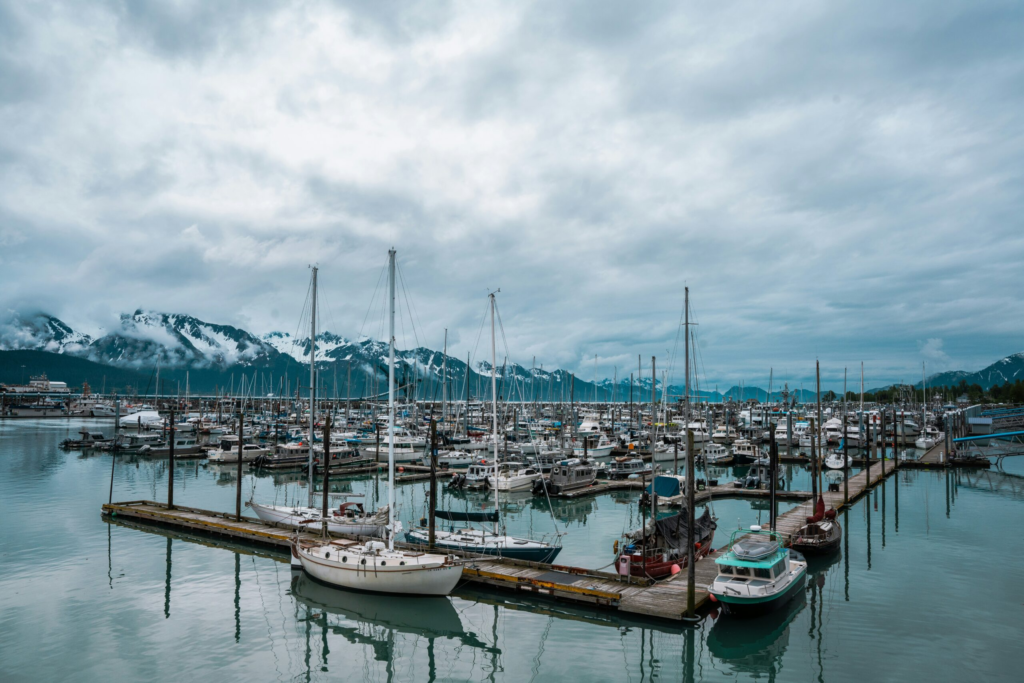
When working a summer season in Alaska, I was in shorts and a t-shirt almost everyday, but the locals were shocked it hadn’t rained more because it usually does on that island. If you are heading further North, chances are you will experience cooler days, but it will still be sunny and beautiful the majority of the time. You may also see bouts of rain and lots of overcast if you live in a location like Seward.
10. You Will Encounter Wildlife: Do Your Research
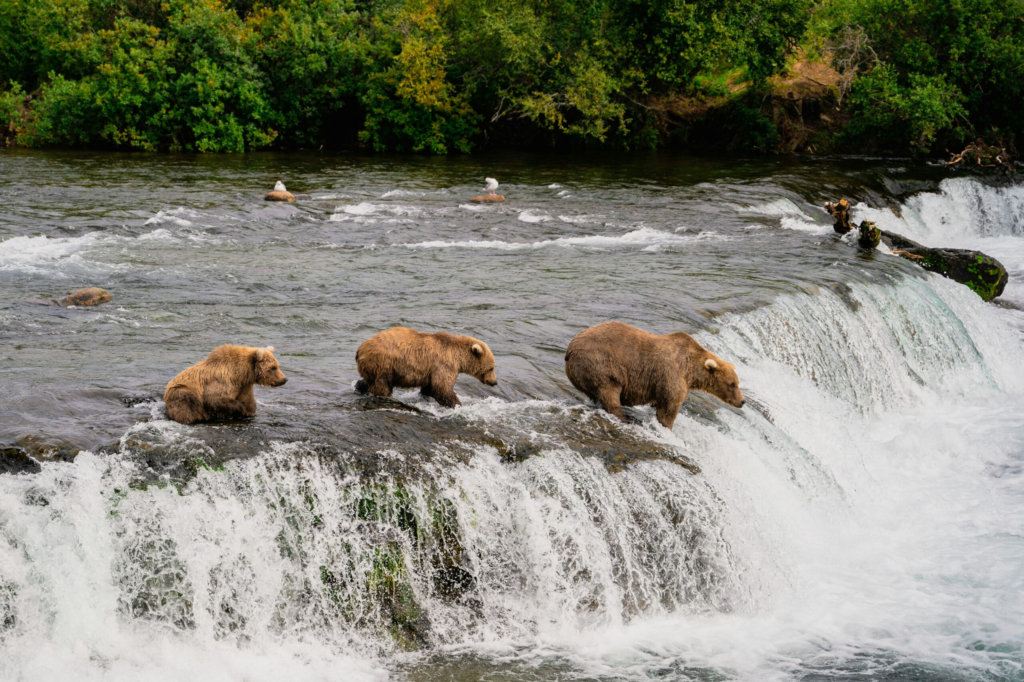
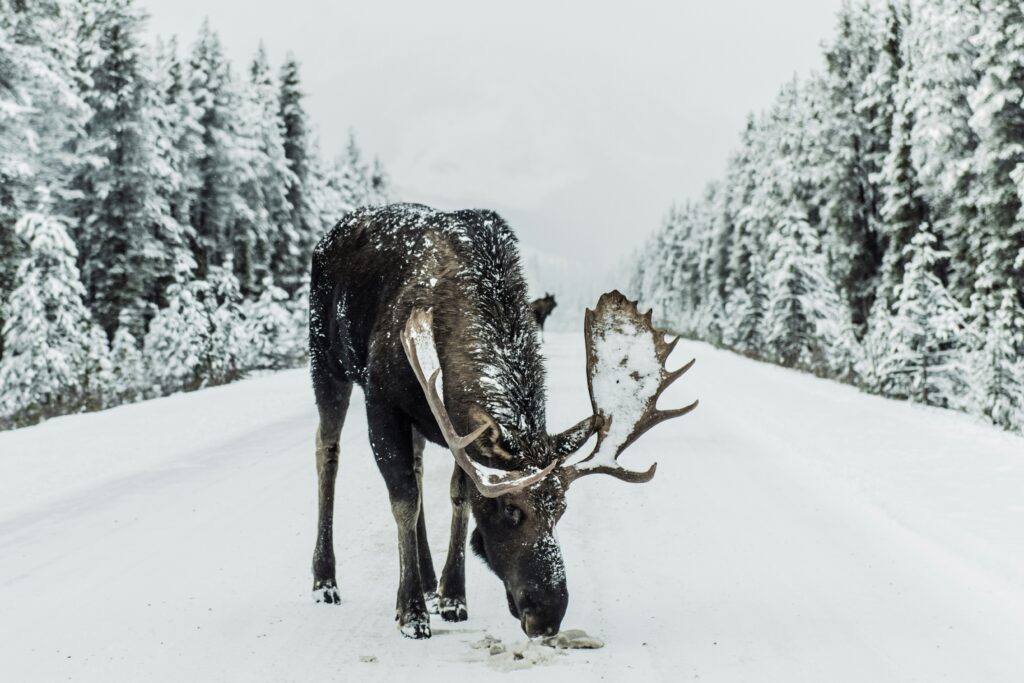
Alaska is home to various species of wildlife. Hopefully, you already know that these wild animals should not be approached for both their safety and yours. While you may be planning to stay away from them, you never know what you may encounter, especially if you are in a remote area or out on a hike. Do your research and ask your employer about the animals around your area and the specific steps you need to take if/when you come across any.
11. Pack Bug Spray or Bring a Bug Net
The amount of bugs you encounter will depend on the location you are in. You may not encounter too many mosquitoes in bigger cities, but if you are in a wooded area you may be fighting off your fair share. Many people bring bug spray that has DEET in it, as this is considered a highly reliable repellent. Where I was, there were swarms of gnats that were not bothered by bug spray, so many of the visiting guests wore bug nets over their faces.
12. Lack of Service Makes it Hard to Communicate with Family
A lot of Alaska is still very wild and remote. This means little or no cell phone service in many places. Lack of cell service can make it difficult to communicate with your family back home, even if you are from the lower 48 states. I recommend downloading WhatsApp, or another texting app that runs off wifi, so you can easily communicate with friends and family all over the world. Download the app before you go, and make sure the people you are trying to contact have it downloaded as well. Of course, wifi can also be spotty depending on your location.
Conclusion
Working a summer season in Alaska can be a great experience, and it will be even better if you are prepared. Hopefully this list of things to know before working in Alaska for the summer has answered some of your questions and/or helped you set your expectations. Have you worked a summer seasonal job in Alaska? Do you have any tips you want to add? Please feel free to share your thoughts in the comments below.