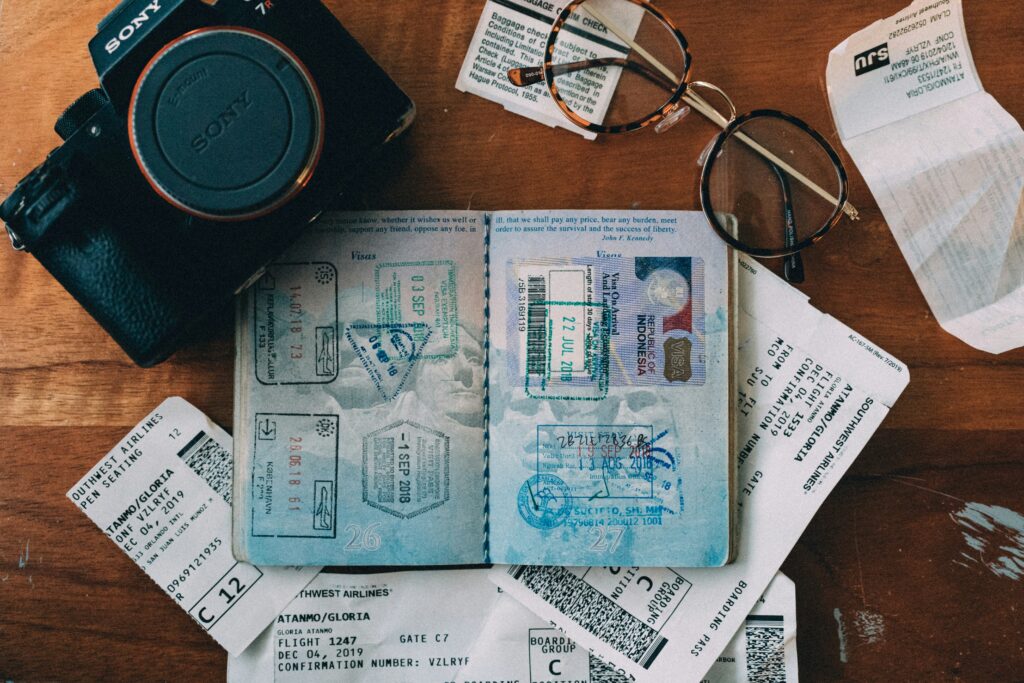
A working holiday in South Korea allows you to work a part-time job to help fund your travels around the country. This H-1 work visa enables students and recent graduates between the ages of 18-30 to work and travel in South Korea for up to 12 months. The visa application process is simple, finding a job is not as hard as it seems, and getting to live in Korea is a really unique opportunity. This guide will provide you with everything you need to know about a working holiday in South Korea.
Table of Contents
A Working Holiday in South Korea
What is a Working Holiday
A working holiday is when you visit a country for an extended period of time while working a paid job in order to fund your travels.
South Korea’s H-1 Working Holiday VISA
The country of South Korea offers an H-1 Work visa that allows students, or recent graduates, between 18-30 years of age to work short term jobs with the intent to fund their travels around the country.
What You Can do on a Working Holiday
On an H-1 visa you can work up to 25 hours per week in a non-skilled temporary job. It also allows you to enroll in a Korean language course taught by a private institute. You may not study at a university.
Requirements for an H-1 Working VISA
To be eligible, you must be between the ages of 18-30 (up to 35 for some countries) and be a student at a secondary institute or have recently graduated university within one year of submitting a visa application. You must also be from one of 30 countries that has a working holiday agreement with South Korea, such as; the USA, UK, New Zealand, Australia, Japan, Canada, or another listed here.
You can not have any dependents, a past criminal record, or have been on a previous Korean Working Holiday.
Duration of Stay in South Korea
You can work and travel in South Korea for up to 1 year.
With a visa extension, US citizens can stay an additional 6 months, UK citizens can stay an additional 12 months, and Canadian citizens can stay an additional 24 months.
Money You Can Make
As of September 2026, the national minimum wage in South Korea is KRW 10,320 ($7.54 USD). Since you are only permitted to work 25 hours per week, you can make roughly KRW 258,000 ($188.58 USD) per week before taxes. However, it is possible to make more depending on your job and skill set.
Entry and Exit Restrictions
As long as your visa is valid, you can enter and exit the country as many times as you want.
How to Get a Working Holiday VISA for South Korea
Requirements
You must be between the ages of 18-30 (up to 35 for some countries) and be a student at a secondary institute or have graduated university within the past year. You must also be from one of 30 countries listed here. You can not have any dependents, a past criminal record, or have been on a previous Korean Working Holiday.
Cost
It costs $45 USD to apply. This does not account for any other document fees you may need to pay in order to apply for your visa.
When to Apply
Each year, South Korea gives out a set number of H-1 visas and each country is assigned their own quota. For example, there are 2,000 visas open each year for US citizens and 5,000 for UK citizens. As long as there are visas available, you can apply year-round but it is on a first come first serve basis.
What You Need to Apply
Depending on the embassy you visit, the documents that are required may vary. You should contact the embassy you plan to submit your application to and inquire about the proper documents. You usually need the following;
- A completed visa application.
- Found on the website of the consular you will apply with.
- Your passport.
- Valid 6 months at the time of application
- If you are submitting by mail, send a notarized copy of your passport.
- Passport photos glued to the application form.
- A round-trip airline ticket or proof of funds to purchase one.
- Copy of your bank statement can be proof of funds.
- A travel plan.
- Proof of health coverage for your full time in South Korea
- This must be a minimum coverage of KRW 40,000,000
- A criminal record check.
- Medical certificate.
- Proof of student statues or proof of graduation.
- Such as transcripts or a diploma
How to Apply
To apply, you must be in your home country.
First you will need to collect all of the necessary documents. Then, submit them to your nearest Korean Consular Office. You can do this by mail or in person. If you are doing so by mail, please note that they will not return any documents you send them. (Thus, you should not send your passport or real diploma, but a notarized copy).
During this time you will submit the $45 fee to the consulate via money order. Appropriate steps to do so will be noted on the chosen consular office’s website.
Once you submit all of your documents and pay the fee they will begin to process your visa.
How Long it Takes
It can take 3-4 weeks to process your visa application.
Next Steps
Once your visa is granted, you need to enter the country within 12 months of your issue date or your visa will become void.
If You are Rejected
If your visa is declined then this is considered the final decision. There is no formal way to appeal a denial but you can try to reapply.
Choosing a Job on a Working Holiday in South Korea
Job Permissions
You are able to work most short-term, temporary, or contract jobs while on the H-1 visa.
Job Restrictions
You may not work more than 25 hours per week. You are not permitted to work the following jobs;
- Dancer, singer, musican, or acrobat.
- English teacher, educator, journalist, or academic researcher.
- Engineer or Pilot.
- Doctor, medical staff, or lawyer.
- Any job that requires special training or a special license.
Popular Working Holiday Jobs
There are different kinds of entry level jobs you can do on a working holiday. Some of the more popular are;
- Hostel or Hotel: housekeeping, administration, or retail.
- Food Service: barista, server, hostess, or dishwasher.
- Retail: cashier, convent store worker, or floor attendant.
- Other: IT, events, babysitting, or social media.
How Long it Takes to Find a Job
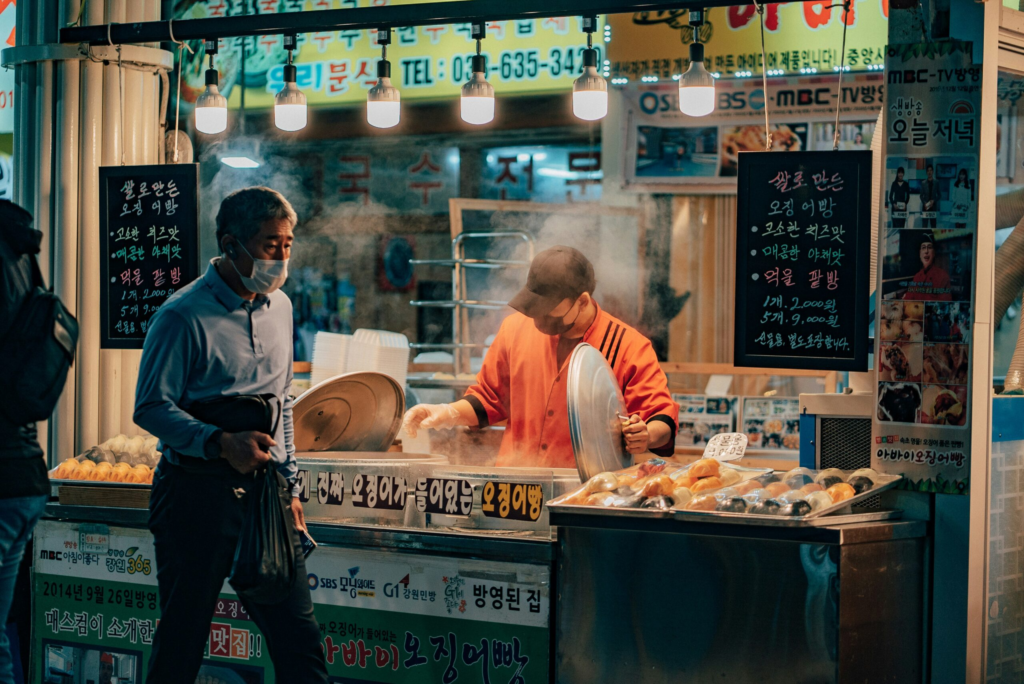
Because you are looking for part-time work in industries with higher turnover, it’s not too difficult to find a job (if you are not picky). The more Korean you speak, the more likely you will get a better job (and a better paying one as well). Most working holiday participants state that it only takes a couple weeks to find a job in the hospitality or tourist industry.
How to Find a Job with a H-1 Working Holiday VISA
Websites to Find a Working Holiday Job in South Korea
On the websites below you will find job listings from employers looking to hire for short-term jobs in South Korea;
- Working Holiday Info Center
- KOWORK
- Albamon
- Craigslist
- People & Job
- Facebook: Part-time & Full-time in Seoul
- Facebook: Non-teaching Jobs in South Korea
- Facebook: Jobs in Korea (foreigners)
Recruitment Agencies
You can find and apply for working holiday jobs with help via the recruitment agencies below;
South Korea Work & Travel Programs
You do not need to join a program to find a job on a working holiday visa, but some people find it easier and want the support these programs provide.
Listed below are known companies that offer working holiday programs in South Korea. To join these programs, you need to pay a program fee and each company’s fee will differ depending on what they provide.
Applying in Person
In larger cities, it is acceptable to stop by businesses like cafes, restaurants, shops, and hotels and give your resume to the manager.
Before you Arrive in South Korea
How Much Money to Bring
You need to show proof of KRW 3,000,000 ($2,200 USD) to enter into the country. You need to consider start up costs such as; rental deposits, accommodation, food, SIM card, etc… You must also take into account the fact that you will only be working part-time (25 hours per week).
With this in mind, you should bring along about $3,000 to support your initial start up costs. Or, if you want to live comfortably, you should have $600-$1,000 USD saved for each month you are planning on staying in Korea.
Now, most people do not do this. They just go over with a few thousand saved up and they make it work. At the end of the day, how much money you should bring with you depends on your lifestyle.
Booking Your Flight
If you book a one way ticket to South Korea, make sure you have a bank statement showing proof that you have enough funds to purchase an exit ticket. When you enter the country you will need to show an exit ticket or proof of funds to purchase one. You can also purchase a flex ticket if you are unsure when you want to leave the country.
Health Insurance
Heath insurance is mandatory for working holiday participants in South Korea. You will have already purchased this as it is part of the application process. There are lots of health insurance providers out there, so do your research on which one is best for you.
Accommodation
Booking short-term accommodation before you arrive will ensure you have a place to go when you land. Many people choose to stay in a hostel or a guest house while looking for a long-term accommodation.
Arriving in South Korea on a Working Holiday
Arriving in South Korea
When you arrive in South Korea you will need to show the following documents to enter the country; passport, proof of return ticket or funds to purchase one, a bank statement showing sufficient funds to cover your travels, health insurance, and a travel plan.
Foreign Resident Registration
If you plan to be in South Korea for more than 90 days, you will need to complete a foreign resident registration to get a residence card (formally referred to as ARC). This card will enable you to rent accommodation, open a bank account, and more.
To obtain your residence card, you will first need to make an appointment with the immigration office. You will need to bring; you passport, photo (3.5cm X 4.5cm with a white background), a completed application form, travel plans, job certificate, and housing contract documents. You will need to pay a fee of KRW 35,000 ($26 USD) in cash. During the appointment you may complete other biometrics such as finger printing.
Once the appointment is complete, you will be given a date to return to the office and collect your residence card. It takes about 3 weeks to process.
National Health Insurance
Once you have been in South Korea for more than 6 months, it is mandatory that you subscribe to the National Health Insurance Service (NHIS). You are able to subscribe if you have been in the country for at least 3 months. If you have your own health insurance (which you should because it is part of the visa process) you can contact the NHIS to show proof and apply for exclusion.
If you want to apply with them, you can register on their website by creating an account, filling out an application, and uploading the following documents; residence card, passport, and certificate of employment. Once accepted, they will deduct a premium from your account each month. This fee provides you access to health care services.
Phone Number / SIM Card
To get a South Korean phone number you will need to buy a SIM card. All phones need to be unlocked in order to install a SIM card. It’s easiest to unlock your phone while still in your home country. You can unlock your phone by calling your mobile provider.
You can get a virtual or a physical SIM card. If you want a physical SIM you will need to visit a provider when you arrive in South Korea and bring your residence card with you.
Most newer phones don’t have a way to install a physical SIM so you may need to get a virtual one. This is an easy process and can be done before you leave the country. There are lots of options, so be sure to do your research on which one is best for you.
Banking
In order to get paid, you will need to set up a bank account. For most banks, you can just walk in and set up an account. You will need to provide your passport and residence card. It’s advised to ensure you are able to get a check/debit card because this is the most common form of payment in Korea.
When choosing a bank, consider the amenities they offer compared to your personal needs. Some popular South Korean banks include; KB Kookmin Bank, Woori Bank, Shinhan Bank, and KEB Hana Bank.
Finding Housing
The most difficult times to find housing in South Korea will be in February and August because this is the start of the school semester. When you receive a housing contract, it’s advisable to have someone you trust that speaks Korean read it to make sure you know what you are signing.
Below are long-term housing options in South Korea;
- One Room Studio
- A single room (studio) that has a bathroom, kitchenette, and living space.
- You can rent via websites like; Seoul Homes or uHomes.
- Goshiwan
- A fully furnished living space that was originally used for students preparing to become public servants.
- Rent via; Goshipages, Allo Korea, or Stay Korea.
- Officetel
- This is an apartment-like living space that is a combo of a hotel and an office.
- Most are large and come fully furnished but you do need to pay monthly maintenance fees.
- Rent on websites such as; Allo Korea, 33m2, or Checkmate.
- Serviced Residence
- Fully furnished apartments that function more like a hotel.
- Many come with amenities such as public pools or gym accesses.
- Find rental options on; Weave Living, SilverDoor, or Booking.
- Airbnb
- There are many different types of fully furnished airbnbs and they usually come with necessities such as laundry and cookware.
- You can find options on the Airbnb website.
- Shared Accommodation
- You can connect with others to search for housing options and/or roommates.
- Find these opportunities through sites such as; Shared Homies or Roomster.
- Rent an Apartment
Drivers License
You can not drive in South Korea on a driving license from your home country. If you want to drive you will need to obtain an international driving permit. You can apply for an IDP online if you are 18 or older and have a valid drivers license from your home county.
Language Course
Your visa allows you to enroll in language courses. This is highly advisable, because English is not widely spoke outside of many cities, international hubs, and business environments. Enrolling in a language course, or finding a way to learn conversational Korean, will help make your working holiday experience more comfortable and engaging.
When Your Working Holiday VISA Ends
Extending Your Working Holiday
The following countries can apply to extend their South Korean working holiday: US citizens can extend by 6 months, UK citizens can extend by 12 months, and Canadian citizens can extend by 24 months.
If you are interested in extending your H-1 visa, you need to contact the Working Holiday Info Center with plenty of time before your visa expires.
Other Work VISAs and Working Holidays
South Korea offers several other work visas for foreigners, such as the E-2 visa for English teachers or the E-7 visa for specialized occupations. Or, if want to continue your working holiday in another country, you can consider one of these 6 working holiday’s for US Citizens.
Going Back to South Korea
When you complete your working holiday, you are welcome to return to South Korea on a tourist visa.
Conclusion
A working holiday in South Korea is a good way to work part-time while funding your travels around the country. Hopefully this post was able to provide you with everything you needed to know about the H-1 Working Holiday VISA in South Korea. Have you been on a working holiday? What was your experience like? Please let me know in the comments below.