A working holiday in Ireland enables expats to work and travel in the country for a full year. The working holiday authorisation is Ireland’s official program that allows US citizens over the age of 18 who have either recently graduated or are currently enrolled in post secondary education to spend 12 months working in Ireland. The process of applying, finding a job, and moving to Ireland is not as complicated as you may think. To help you figure it all out, this guide will walk you through how to apply for the visa, where to find a job, how you can search for accommodation, and explain everything else you need to know about a working holiday in Ireland.
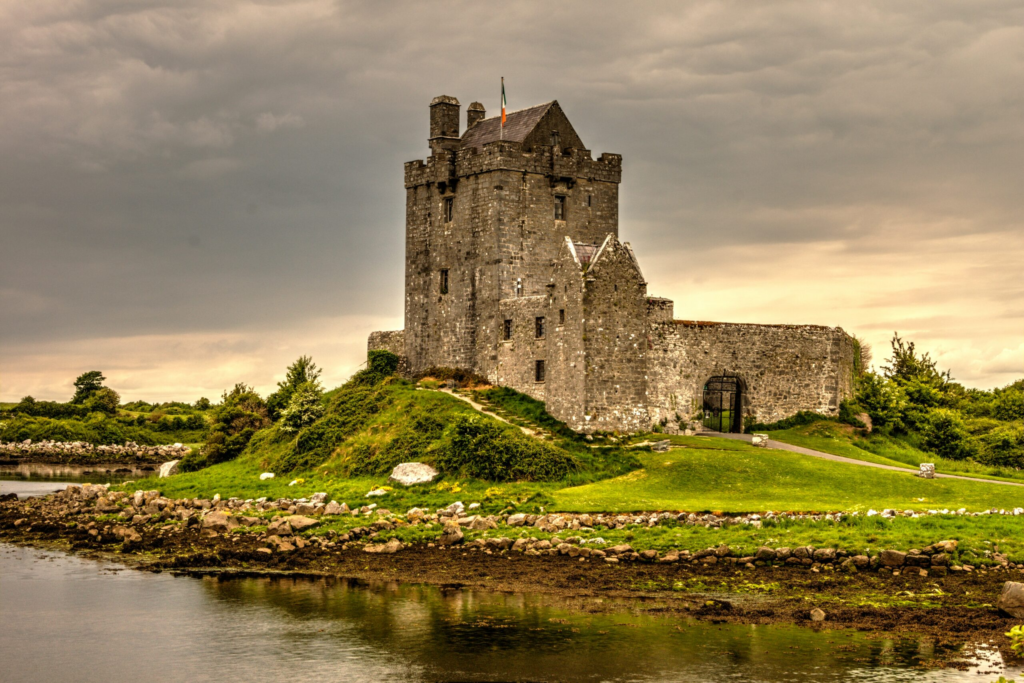
Table of Contents
A Working Holiday in Ireland
What is a Working Holiday
A working holiday is when you visit a country for an extended period of time while working a paid job in order to fund your travels.
Ireland’s Working Holiday Authorisation
Ireland’s working holiday authorisation (WHA) is a program that allows young adults over the age of 18 to work and travel in the Republic of Ireland for up to 12 months.
Requirements for a WHA
To be eligible for Ireland’s working holiday authorisation, you must be from one of the following countries; Andorra, Argentina, Australia, Canada, Chile, Hong Kong, Japan, New Zealand, Republic of Korea, Taiwan, or the United States.
For US citizens, you must be over the age of 18 and are either currently enrolled in an in-person, post-secondary education program (i.e. associates, bachelors, masters, P.H.D) or have just graduated from one of these programs within the past 12 months.
If you do not meet the requirements, there are other countries that offer working holiday visas for US citizens.
Duration of Stay in Ireland
You can work and travel in Ireland for up to 12 months while on a WHA.
What You Can do on a Working Holiday
On a WHA you can study for up to 6 months and work for up to 12 months. There are no stipulations on the type of work you can/can’t do while in Ireland, as long as it is legal.
You Can Not Work in Northern Ireland
Ireland’s WHA is for work and travel within the country of Ireland. This does not authorize you to work in Northern Ireland. Northern Ireland, while physically on the same island, is part of the United Kingdom. Therefore, it’s governing body is different than that of the Republic of Ireland who are part of the European Union.
Money You Can Make
The money you make will depend on your specific job and how many hours you work. As of August 2026, the national minimum wage in Ireland is €14.50/hr (for those ages 20 and over).
Ireland has an age based wage system. If you are under the age of 20, your hourly pay might differ. Workers who are 19 years old can make €12.74/hr and those who are 18 can make €11.32/hr.
Entry and Exit Restrictions
You are able to exit and enter the country of Ireland as many times as you would like while you are on a WHA.
How to Get a Working Holiday VISA for Ireland
Requirements
To be eligible for a working holiday in Ireland, you must be a US citizen over the age of 18 and are either currently enrolled in an in-person, post-secondary education program (i.e. associates, bachelors, masters, P.H.D) or have just graduated from one of these programs within the past 12 months.
Cost
The application processing fee for a WHA costs between $295 – $310 USD. You will need to check with your nearest embassy how much the current fee is and the best way to pay.
This does not account for insurance, postage to send in your application, or other document fees you may need to pay in order to apply for your visa.
How to Apply
To apply, you must be physically outside of the country of Ireland. You will need to apply through an official Embassy or Consulate. You should contact them to inquire about the current processing fee for the WHA and the best way to pay for it.
First you will submit the following documents to the Embassy, either in person or via mail;
- A completed WHA application form.
- Photo copies of your passport.
- Valid for a full year after your projected date of entry into Ireland.
- Two passport photos (with your name written on the back).
- A current resume/CV with a minimum of two references.
- Evidence of education (i.e. university diploma, transcripts, official letter, etc…).
- A bank statement showing proof of access to $1,500 USD.
Once the Embassy approves your application, they will notify you. Then, you will submit the following to them;
- A departure plane ticket out of Ireland.
- Can be a flexible ticket.
- A certificate of medical/travel insurance for the full duration of your stay.
- Should match the dates of your airline ticket.
- Your original passport.
- Valid for a full year after your projected date of entry into Ireland.
When the Embassy approves these documents, you will then be issued a Working Holiday Authorisation for the Republic of Ireland.
How Long it Takes
Officially, it takes between 6-8 weeks for an Embassy to process a WHA. However, some applicants state that theirs was processed in 2-3 weeks.
Next Steps
Once your visa is granted, you must enter the country within 6 months or your visa will become void. If this happens, you will need to reapply again. Once you enter the country, you are able to work and travel in the Republic of Ireland for up to 12 months.
If You are Rejected
If your visa is declined, you will receive a letter detailing the reason. This letter will let you know if you have the option to appeal this decision and how. If you are able to appeal, there is usually no fee to do so. If you can’t appeal, you can attempt to reapply again if you wish, but will need to pay the application fee.
Choosing a Job on Working Holiday in Ireland
Job Restrictions
You can work any type of job you like while on a WHA in Ireland.
Working Holiday Jobs in Ireland
There are many different entry level and skilled jobs you can do on a working holiday. Some options of the type of work available are;
- Food & Beverage: bartender, barista, server, host, dishwasher, chef, or baker.
- Hospitality: housekeeping, front desk, administration, bookings, or maintenance.
- Retail & Sales: call center work, general retail, or inventory.
- Childcare: au pair, nanny, babysitter, or adventure summer camp work.
- Farm work: farm hand, dairy farm worker, pig farm worker, etc..
- It, Tech, & Finance: admin, programer, accountant, etc…
How to Choose a Job
When choosing a job, consider what your goals are for your working holiday;
- Are you hoping to work as much as possible to save money?
- Do you want experience in a specific industry?
- Do you just want an easy part-time job so that you can enjoy your holiday?
- How many hours do you want to work?
- What type of work are you interested in and/or willing to do?
When you decide what job(s) you are interested in, you should apply to multiple in order to increase your chances of getting a job.
How Easy it is to Find a Job
In Ireland, the job market is currently very competitive. This is because you not only have Irish citizens applying for work, but WHA applicants and other E.U nationals. Since Ireland is a small country, there are less jobs to start out with in general.
You are more likely to find an entry level job in a larger city such as Dublin or Cork. Overall, the time it takes to find a job will vary depending on the city you are searching in, your experience, the type of job you want, and how many jobs you are applying to.
Choosing Where to Work & Live
What to Consider When Choosing a Location
When deciding where to live and work in while in Ireland, you should consider the following;
- Can you find housing?
- What jobs are availbe?
- Do you want to live in a busy city or smaller town?
- What transportation is available to you? How will you get around?
- What do you want your days off to look like?
- What is the cost of grocery options and entertainment in the area?
Locations to Work in Ireland
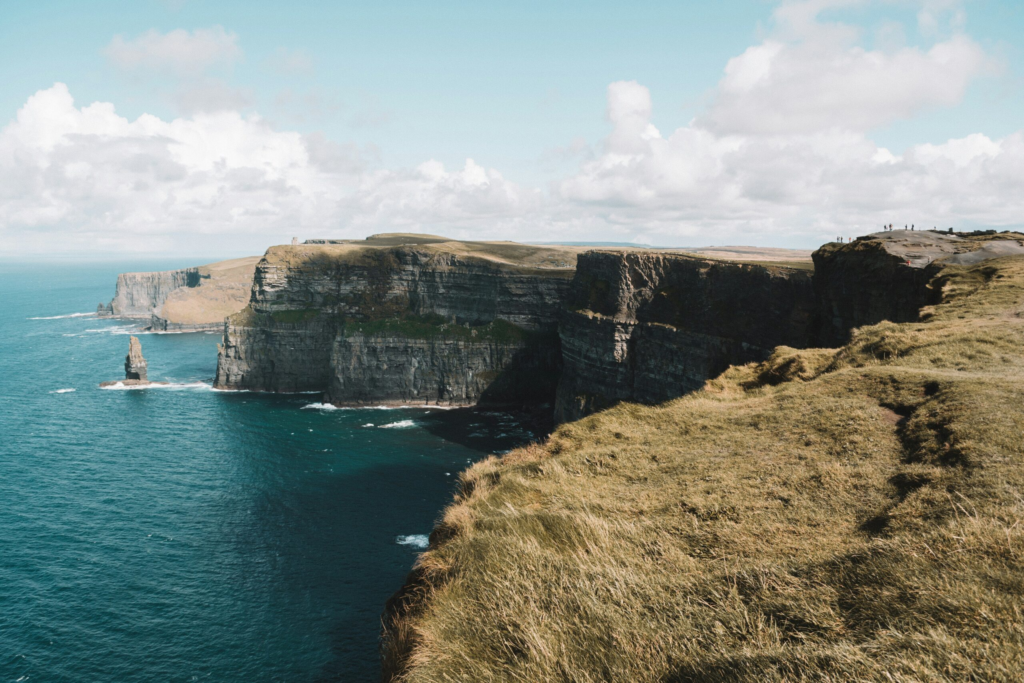
Ireland boasts towering sea side cliffs, green rolling hills, and old historic stone castles. Because it is such a small country, no matter where you decide to live and work, you will have ample time to explore all of these things over the course of your 12 month stay.
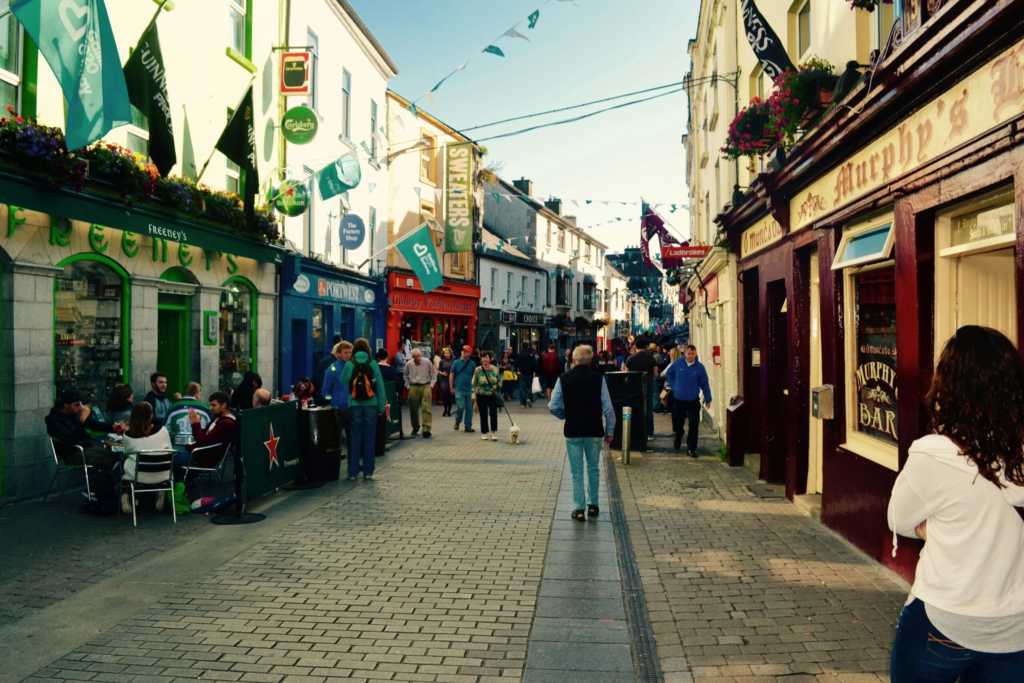
If you want to live and work in a bustling city with constant entertainment and amenities, consider living in one of Ireland’s 5 most populated cities; Dublin, Cork, Galway, Limerick, and Waterford. In general, you will have better luck finding a job in one of these cities.
If you want a location that provides a slower pace and is outside the bustling city, try one of the smaller towns, like; Dingle, Killkenny, Killarney, Athlone, or Donegal. Of course, there are even smaller towns that offer a slower pace of life and have opportunities that will have you working in castle or on a farm.
How to Find a Job with a Ireland Working Holiday VISA
Websites to Find a Job in Ireland
On the websites below you will find job listings from employers looking to hire in Ireland. You can apply for these jobs before or after you arrive in the country.
Recruitment Agencies
You can find and apply for short-term and temp jobs with help via the recruitment agencies below;
Ireland Work & Travel Programs
Listed below are known companies that offer working holiday programs in Ireland.
To join these programs, you need to pay a program fee. Each company’s fee will differ depending on what they provide. The programs usually include one or more of the following; visa application support, accommodation, in-country support, job placement, etc…
Work Exchange
While you search for a full-time job, you can use work exchange boards to find temporary volunteer jobs. Some of the posts on websites such as Workaway or Worldpackers offer paid gigs. For more work exchange website options, check out How to Travel and Volunteer Abroad with Work Exchange.
Applying in Person
It’s not uncommon to find a job by going from business to business to inquire about hiring. Take a few copies of your resume with you and stop by restaurants, coffee shops, bars, etc… during their slow hours to ask if they are hiring or if you can fill out an application. Lots of expats find jobs this way.
Before you Arrive in Ireland
How Much Money to Bring
You need to have proof of $1,500 USD to obtain your visa and enter the country. This amount will get you started and keep you going while you find a job for a month or two (if you are good at keeping track of your spending). However, it’s always good to have more saved in case the job search takes you longer than expected.
Consider the following start up costs; arrival accommodation, transportation, food, cookware, phone plan, laundry, utilities (if not included), entertainment, and in-country travel.
Booking Your Flight
Upon arrival in Ireland, you will need to show proof of a plane ticket out of the country. If you are unable to purchase a return ticket due to the dates being too far away, you can purchase a flexible return ticket. This will be sufficient to enter the country and enable you to choose a departure date at a later time.
Medical/Travel Insurance
Medical/travel insurance is required while on a working holiday in Ireland. You will need to be sure that your insurance will cover the entire cost of your trip in case you need medical support during your stay. There are tons of options out there and you should shop around to find which provider is the best fit for you.
Accommodation
Booking accommodation before you arrive will ensure you have a place to go when you land. A hostel, airbnb, or hotel, are good, short-term options while looking for more permanent housing.
Due to the current housing crisis in Ireland, many working holiday participants have stated that finding affordable accommodation has been extremely difficult. So, it’s possible you will be in your short-term accommodation for some time. However, you can also search for and rent a place before you arrive.
Arriving in Ireland on a Working Holiday
Arriving in Ireland
You will need to arrive in Ireland within 6 months of your visa being granted. Upon arrival at the boarder, you will need to show; your passport, working holiday authorisation, proof of access to $1,500, proof of medical insurance, and a departure ticket (or flex ticket) out of the country.
Irish Residence Permit
Within 90 days of arriving in country, you must apply for an Irish Residence Permit (IRP) card. This card is a physical card that you can carry in your wallet and proves you have been grated permission to legally work and travel in Ireland.
To obtain this card, you will first register for immigrant permission. To do so, you will create an online account and book an appointment with the registration office. You will bring all the required documentation to your appointment. Your appointment will take about 30mins. You will need to pay a fee of €300 for the permission stamp.
From there, you will be sent your IRP card in the post. It should take about 10 days to arrive.
Note: This card used to be called the GNIB card but was officially changed to the IRP in 2017.
Personal Public Service Number
A Personal Public Service (PPS) Number is mandatory for working holiday participants. It allows you to be paid, access public services within Ireland, and file taxes. It’s like a social security number in the USA.
You will need a job/job offer before you can apply for a PPS. You can apply by creating a profile and booking an in-person appointment on MyWelfare. For your appointment, you will need the following documents; your passport, proof of need of a PPS (such as a job offer), and proof of address (i.e. utility bill, renters agreement, work address, etc…). It takes up to 7 business days after your appointment to receive your PPS in the mail.
Phone Number / SIM Card
You can buy a virtual SIM card or a physical SIM card before you enter the country or wait till you arrive.
All phones need to be unlocked in order to install a SIM card. It’s easiest to unlock your phone while still in your home country. You can unlock your phone by calling your mobile provider. Most newer phones do not have a way to install a physical SIM card so you may only be able to install a virtual SIM.
Banking
In order to get paid, you will need to set up a bank account. For most banks, you can just walk in and set up an account or start the process online. You will need to provide your passport, working holiday authorisation, and proof of adress in Ireland. Some banks may ask for your PPS.
Proof of address is the difficult part because you probably do not have this yet. When choosing a bank, look on their website in regards to what counts as a “proof of address”. There are banks that will allow you to use your government work documents in place of an address (i.e. WHA).
When choosing a bank, consider the branch locations and what they provide. In Ireland they have traditional Irish banks, international banks, and digital banks (aka: online only). Some larger traditional banks that expats use are; the Bank of Ireland, Allied Irish Banks (AIB), Permanent TSB, or Ulster Bank. You should do your research on what bank servers your personal financial needs.
Finding Housing
There is currently a housing crisis in Ireland and many working holiday participants have stated that finding affordable accommodation, or available housing in general, has been extremely difficult. You can wait until you arrive in country to find housing and stay in a short-term accommodation such as a hostel or airbnb while searching, or you can find housing options before you arrive.
Below are some accommodation options and resources to find housing;
- Hostel
- Hostel’s offer shared or single rooms and are a great option if you are looking to connect with other travelers and/or are trying to save money.
- You can find hostel options by using the website hostel world.
- Airbnb
- There are many different types of fully furnished airbnbs and they usually come with necessities such as laundry and cookwear.
- You can find options on the Airbnb website.
- Shared Accomodation
- You can connect with other people to search for share housing and roommates.
- Find these opportunities through sites such as; draft.ie, rent.ie, roomster, or roomies.ie.
- You can also use Facebook groups to connect with locals and other expats.
- House Sitting
- You can create a house sitter profile and connect with Irish locals who are offering free room and board in exchange for taking care of their home and pets.
- Join platforms like; Trusted Housesitters or use Workaway.
- Included Housing
- There are some jobs with housing included and you do not need to pay rent.
- Most of these jobs will be Au Pair/nanny jobs or summer camp work.
- You can find Au Pair work on; Au Pair World.
- Renting
Drivers License
Ireland is a small country with public transportation and you probably won’t have need for a car. If you do wish to drive, you can drive on your valid US license for up to 12 months. However, if you prefer, you can apply for an International Drivers Permit. Remember, they drive on the left side of the road.
When Your Working Holiday Ends
Extending Your Visa
You can not extend your working holiday authorization.
Doing a Second Working Holiday in Ireland
You can apply for a WHA a second time, but it must be one full year after your first WHA expires. To do so, you must still meet the requirements for the WHA, be physically outside of the country of Ireland, and reapply the same way you applied the first time.
Taxes
At the end of the Ireland’s fiscal year, you will need to file an income tax return. It’s easier than you think and you can follow the step by step guide on the Department of Revenue website. They will have you create an online account and submit the proper documentation. Then you will receive your tax return.
Other Working Holiday Options
If you’ve have your fill of Ireland or no longer qualify for the WHA, you can do a Working Holiday in Austrlia, a Working Holiday in New Zealand, or a Working Holiday in Canada. Or, consider one of these working holiday’s for US Citizens.
Returning to Ireland
As long as you have exited the country before your visa expires, you are welcome to return to Ireland on a tourist visa.
Conclusion
A working holiday in Ireland is a great way to fund your travels around the country. Hopefully this post was able to provide you with everything you need to know about Ireland’s Working Holiday Authorisation. Have you been on a working holiday in Ireland? What was your experience like? Please let me know in the comments below.